

What are the limitations of a concrete mixture pump in pumping concrete?
Nov 17, 2025
Hey there! As a supplier of concrete mixture pumps, I've had my fair share of experiences with these machines. They're super useful in the construction industry, but like any piece of equipment, they've got their limitations. In this blog, I'm gonna break down some of the key limitations you might run into when using a concrete mixture pump.
Distance Limitations
One of the most obvious limitations is the distance the pump can effectively move concrete. You see, concrete is a heavy and viscous material, and it takes a lot of force to push it through the pipes. Most standard concrete mixture pumps have a limited horizontal and vertical reach.
For horizontal pumping, the distance can vary depending on the pump's capacity and the type of concrete being used. Generally, you're looking at a range of a few hundred meters. But as you increase the distance, the pressure required to keep the concrete flowing also goes up. This can put a strain on the pump and increase the risk of blockages.
Vertical pumping is even more challenging. Gravity works against you, and the higher you want to pump the concrete, the more power the pump needs. Some high - end pumps can reach several stories up, but it's not without its difficulties. The pressure in the pipes increases significantly as the height increases, and there's a greater chance of the concrete separating or losing its consistency.
If you're in a situation where you need to pump concrete over long distances or to great heights, you might want to consider our Large Capacity Concrete Mixer Concrete Pump. It's designed to handle more demanding pumping tasks and can help you overcome some of these distance limitations.
Concrete Consistency
The consistency of the concrete is another major factor that affects the performance of a concrete mixture pump. Concrete that's too dry or too wet can cause all sorts of problems.
If the concrete is too dry, it becomes thick and sticky, making it difficult to pump through the pipes. It can clog the pump and the hoses, leading to downtime and costly repairs. On the other hand, if the concrete is too wet, it can separate, with the water and aggregates separating from the cement paste. This not only affects the quality of the concrete but can also cause blockages in the pump.
To ensure smooth pumping, the concrete needs to have the right slump. Slump is a measure of the consistency of the concrete, and it's usually tested on - site. A good slump for pumping is typically between 4 to 8 inches, but this can vary depending on the specific requirements of the project.
As a supplier, we often recommend using a Concrete Mixer with Conveyor. This type of mixer allows you to control the mixing process more precisely, ensuring that the concrete has the right consistency for pumping.
Pipe Diameter and Fittings
The diameter of the pipes and the type of fittings used in the pumping system can also limit the performance of the concrete mixture pump. Smaller diameter pipes create more friction, which requires more pressure to push the concrete through. This can lead to increased wear and tear on the pump and a higher risk of blockages.
In addition, the fittings in the pipe system, such as elbows and reducers, can also cause problems. Each fitting creates a change in the direction or diameter of the pipe, which can disrupt the flow of the concrete. Elbows, in particular, can cause the concrete to slow down and build up, increasing the risk of blockages.
When planning a concrete pumping project, it's important to choose the right pipe diameter and fittings for the job. A larger diameter pipe will generally allow for better flow, but it may not be practical in all situations. You also need to make sure that the fittings are properly installed and maintained to minimize the risk of blockages.
Pump Capacity
The capacity of the concrete mixture pump is another limitation to consider. The pump capacity is usually measured in cubic meters per hour, and it determines how much concrete the pump can deliver in a given time.
If the demand for concrete on the construction site is higher than the pump's capacity, it can lead to delays. Workers may have to wait for the pump to catch up, which can slow down the entire construction process. On the other hand, if the pump capacity is much larger than the demand, it can be inefficient and wasteful.
It's important to accurately estimate the concrete demand for your project and choose a pump with the appropriate capacity. Our Portable Diesel Concrete Mixer with Pump offers a range of capacities to suit different project requirements, whether you're working on a small residential project or a large commercial development.
Maintenance and Downtime
Like any piece of machinery, concrete mixture pumps require regular maintenance to keep them running smoothly. However, maintenance can also be a limitation, as it can cause downtime.
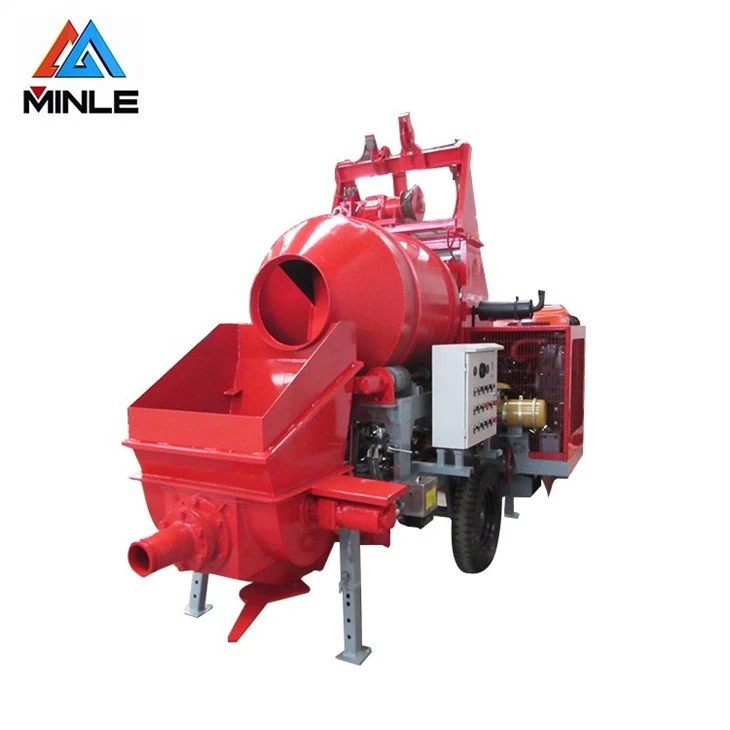

During maintenance, the pump needs to be shut down, which can disrupt the construction schedule. In addition, if a major component of the pump fails, it can take a significant amount of time to repair or replace it. This can lead to costly delays and lost productivity.
To minimize downtime, it's important to follow a regular maintenance schedule and use high - quality parts. We offer a range of maintenance services and genuine parts to keep your concrete mixture pump in top condition.
Environmental Factors
Environmental factors can also have an impact on the performance of a concrete mixture pump. Extreme temperatures, for example, can affect the consistency of the concrete. In hot weather, the concrete can dry out more quickly, increasing the risk of blockages. In cold weather, the concrete can freeze, which can damage the pump and the pipes.
Wind can also be a problem, especially when pumping concrete at height. The wind can blow the concrete off - course, making it difficult to place accurately. Rain can also affect the quality of the concrete, as it can wash away the cement paste and dilute the mixture.
When working in extreme environmental conditions, it's important to take extra precautions. This may include using additives to control the setting time of the concrete, or protecting the pump and the pipes from the elements.
Conclusion
So, there you have it - some of the main limitations of a concrete mixture pump. While these limitations can pose challenges, they can often be overcome with the right equipment, planning, and maintenance.
As a supplier of concrete mixture pumps, we're here to help you find the best solution for your project. Whether you're dealing with distance limitations, concrete consistency issues, or any other challenges, we've got the expertise and the products to support you.
If you're interested in learning more about our concrete mixture pumps or have any questions about your concrete pumping needs, don't hesitate to get in touch. We're always happy to have a chat and discuss how we can help you with your next project.
References
- "Concrete Pumping Handbook" - A comprehensive guide on concrete pumping techniques and equipment.
- Construction Industry Research Reports on concrete pumping performance and limitations.